


INCONTINENCE – MEASURES AND APPLICATION
Incontinence is involuntary urination. If you notice any changes in urination, contact your urologist first.
Drinking and urination protocol
The protocol is used to analyze drinking and voiding behavior. Measurements are taken over three consecutive days and three nights: fluid intake, urine volume, voiding intervals, any urge episodes, and involuntary urine losses. The intake and type of drinks and medicines are also collected. Based on this, behavior and/or habits can be analyzed and changed as needed.
Here you can see the table and print it (PDF ).
PHYSIOTHERAPEUTIC MEASURES
Assessment and testing
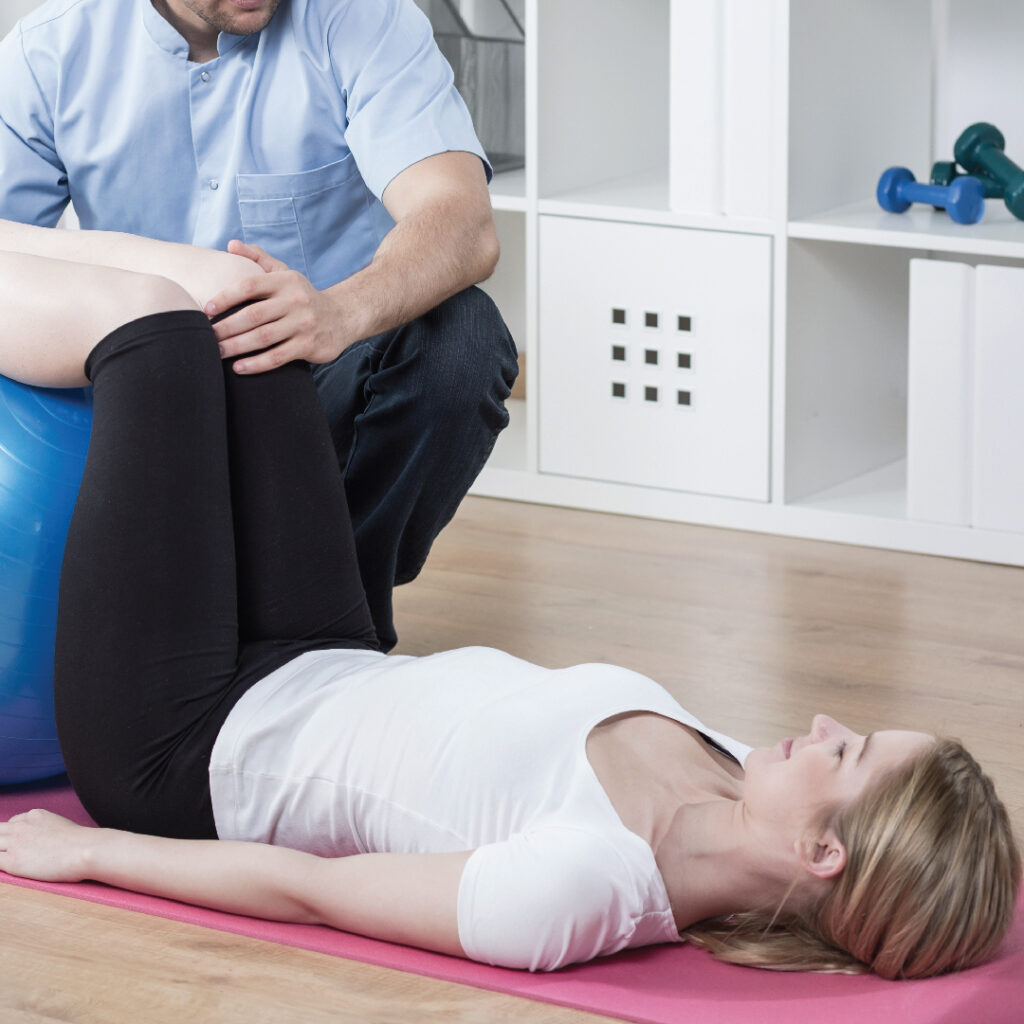
Physiotherapy treatment takes place after a detailed discussion about the patient’s problems. The therapist gets a precise picture of the symptoms by asking certain questions. The first or subsequent examination of the pelvic floor (internal and external tactile findings) completes the findings. In order to get a complete picture of the muscle function of the pelvic floor muscles, the position of internal organs (bladder, uterus, intestines) and all painful areas, a vaginal or rectal examination with appropriate tests is useful and provides important information for the formation of a specific treatment plan as well as prognosis.
URINARY INCONTINENCE – TREATMENT
Important components of the treatment are perception training (feeling and recognition) of the pelvic floor and its proper activation and relaxation, development or adaptation of useful behavior, targeted strengthening and exercise of pelvic floor muscles and their integration into daily and sports activities. for pain, tension or trigger points (trigger points) in the pelvic floor, intravaginal or rectal treatment reduces symptoms. Treatment can be supported by the following means and aids. The above-mentioned treatment options can be supported by the most modern equipment (EMG or feedback biofeed, electrical stimulation, as well as other training methods, for example with vaginal balls or sensory detectors of the pelvic floor muscles), as well as aids such as balloons or dilation sets. The physiotherapist also informs patients about aids in case of prolapse problems.
INCONTINENCE – INFORMATION AND ADVICE
The position and function of the pelvic floor is explained using pictures and models. Knowing and understanding the functioning of the pelvic floor and the resulting functional disorders are essential for the success of the therapy. Possibilities, therapies and aids are discussed, as well as the further procedure.
TREATMENT OF MEN
The same problem is with men. For anatomical reasons, a similar procedure is performed in men. For patients who are planning prostate surgery, it is extremely important to carry out the above-mentioned measures BEFORE the operation. By getting to know the problem, the period of convalescence and re-control of urination, as well as the problem of incontinence, is drastically (significantly) shortened.
Great success in improving the symptoms and problems of erectile dysfunction is expected by controlling the muscles of the penis and managing the root of the penis with medicine.
BLADDER BEHAVIOR TRAINING
Pelvic floor training is not only about strengthening the pelvic floor muscles, but also about learning to overcome episodes of urge to urinate. A combination of behavioral and pelvic floor training can provide good treatment success. The goal of these measures is to regain a sense of your own bladder and learn to estimate the volume of bladder filling, for example to prevent premature (preventive) visits to the toilet. The bladder is emptied by relaxing the pelvic floor and resting the body to a certain extent. Easier holding position. The correct position when urinating (peeing) allows complete emptying of the bladder.
B IOFEEDBACK
Using a training device, Biofeedback is feedback on the muscular activities of the pelvic floor through sound and visual signals. Muscle activity (vaginal / anal / external) is performed, providing the patient with an immediate response to the activity and relaxation of his hidden muscles. This is a learning aid and supports active training.
ELECTROSTIMULATION/ ELECTROTERAIA
Electrostimulation has two areas of application in pelvic floor therapy. • Weak musculature can be electrically stimulated and thereby awakened or relaxed and soothed and serves to train perception. • Bladder can be calmed indirectly by electrical neuromodulation/stimulation. By applying short magnetic waves KTD, the pelvis is treated with various effects. Thermo, vibrations, etc.
VAGINAL WEIGHTS
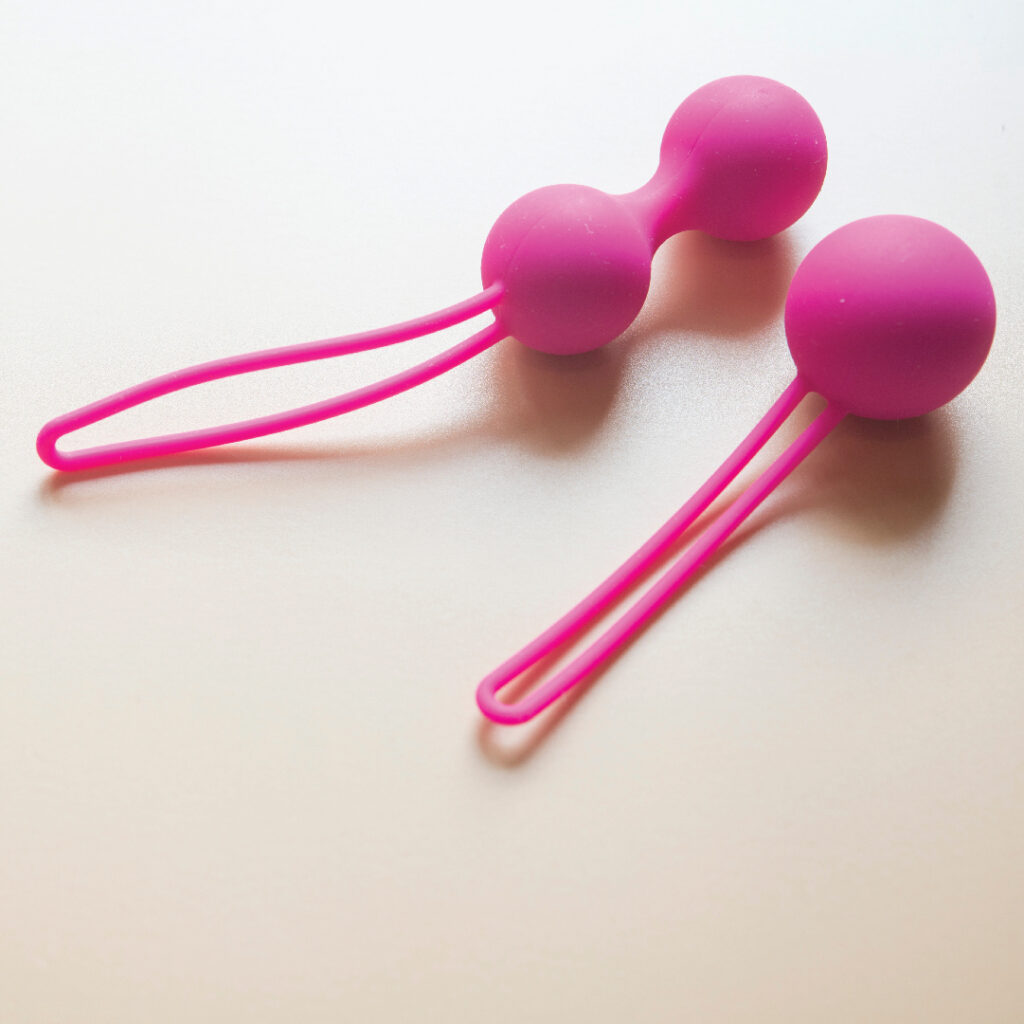
Different manufacturers offer vaginal weights (most often in the form of balls) of different shapes and weights. They are used vaginally, in case of non-adhesive muscular condition of the pelvic floor. The task is to prevent the weight from sliding and falling out of the vagina. This application promotes the perception and activation of the pelvic floor muscles during daily activities (e.g. I can carry myself while showering) in terms of more demanding tasks.
ADDITIONAL BENEFITS AND SUCCESSES OF TREATMENT OF PELVIC FLOOR MUSCLES.
Since the muscles of the pelvic floor extend from the pubic bone to the coccyx, it is expected that numerous symptoms of pain in the lumbar region, as well as constipation (constipation of stool, or uncontrolled loss of stool) will be regulated and improved.
The Center for Urinary Incontinence in our clinic is managed and worked with patients by Nenad Gvozdić, a qualified physiotherapist and urotherapist.
If you have problems with incontinence, make an appointment by calling the phone number or by e-mail.

